
Why Humans Have Always Given Gifts — And Always Will
The First Gift Wasn’t Wrapped
Long before ribbons, boxes, or even language — people gave gifts.
Stone tools, shells, flowers, carved objects… all used to say:
“I care.”
“I remember.”
“I want peace.”
Gift-giving is one of the oldest forms of human communication.
It predates money. Predates writing.
But it’s never gone out of style.
Gifts in Ancient Times
- Ancient Egypt: Pharaohs exchanged ornate jewelry and statues — often symbolic, tied to gods or status.
- Ancient China: Exchanging tea, jade, and scrolls was part of diplomacy and social etiquette.
- Ancient Greece & Rome: People gave oil, wine, and crafted goods during festivals and public celebrations.
???? Even then, gifts were emotional — used to build trust, friendship, or honor.
Gifts Became Power
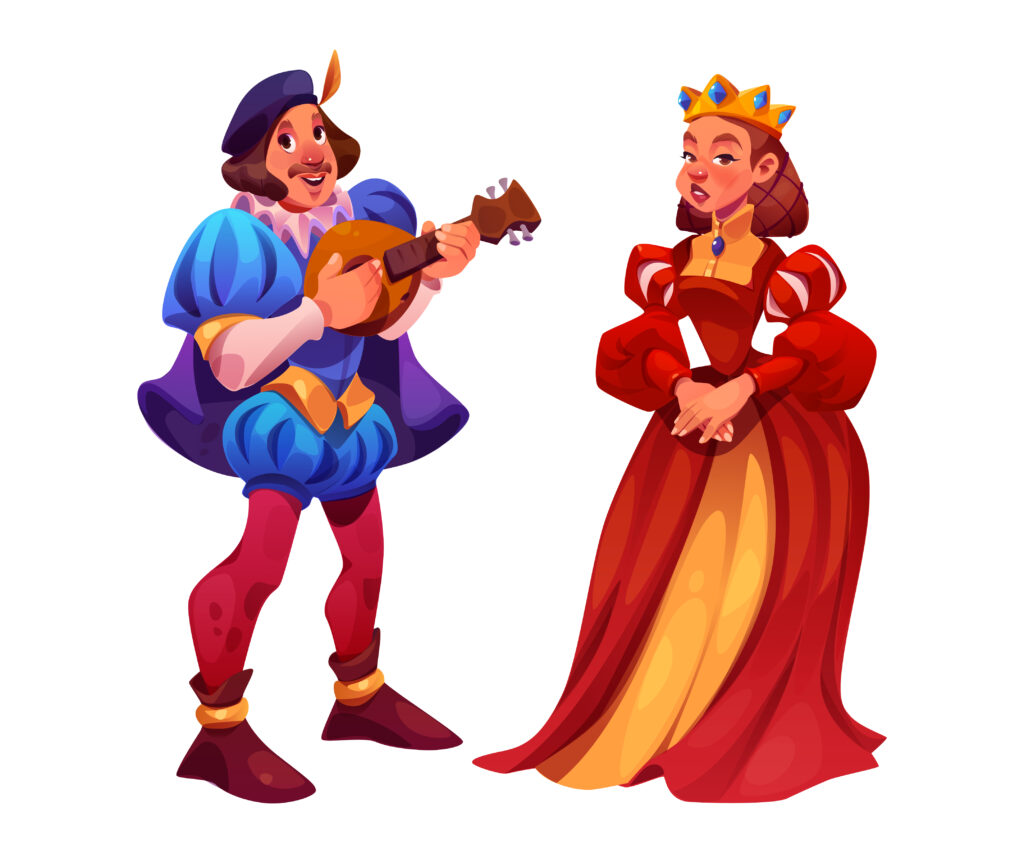
During the Middle Ages, gift-giving became formalized:
- Nobles gave land, coins, or relics to allies
- Religious offerings were considered gifts to the divine
- Royals used gifts to form treaties — or show off their wealth
???? Gifting = power + politics
The Birth of Modern Gifting
The idea of “everyday gifting” grew with:
- Holidays like Christmas, Valentine’s Day, and Mother’s Day
- The rise of middle-class consumption in the 1800s
- The invention of modern wrapping paper (yes, that’s real — 1917!)
Soon, gift shops popped up. Packaging became part of the experience.
Gifts weren’t just what — but also how they were given.
So What Makes a Great Gift Today?
In all these centuries, one thing hasn’t changed:
A gift isn’t just an object. It’s a story.
A gesture. A way to be remembered.
And as small brands, makers, and curators —
We’re not just selling products.
We’re helping people express what words sometimes can’t.